
 menu
menu
Best Exercises for Aging Adults: Building Strength, Stability, and Confidence
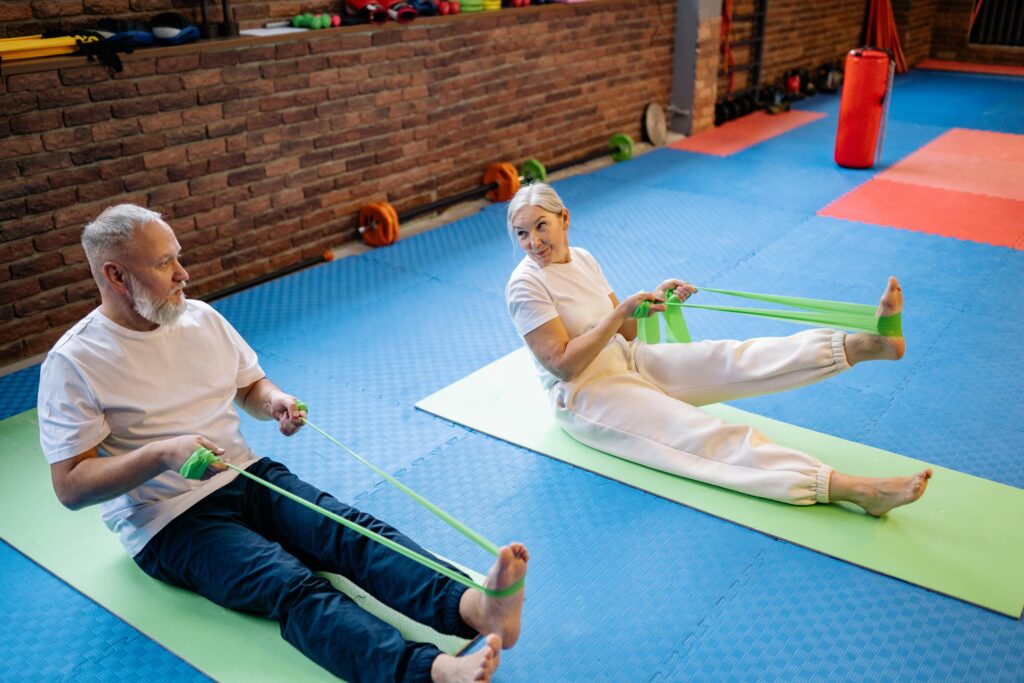
Physical activity remains one of the most important tools we have to support healthy aging. The best exercises for aging adults help preserve strength, improve balance, reduce fall risk, and support both mental and metabolic health. At Springlife Medical, we work with patients to find safe, sustainable ways to stay active regardless of age or fitness level.
Why Movement Matters as We Age
As we get older, the natural decline in muscle mass, bone density, and flexibility can affect mobility and independence. But staying active helps counteract these changes. Exercise can:
- Maintain or improve muscle strength
- Support balance and coordination
- Enhance bone health and joint flexibility
- Lower the risk of falls and fractures
- Improve blood pressure, cholesterol, and glucose levels
- Boost mood and cognitive function
Even modest increases in physical activity can lead to meaningful health benefits.
Four Key Types of Exercise for Aging Adults
1. Strength Training
Maintaining muscle mass becomes more important with age. Strength training (also called resistance training) helps preserve lean tissue and supports bone density. This can include:
- Bodyweight movements (e.g., squats, wall pushups)
- Resistance bands
- Dumbbells or light free weights
- Machines at a gym, if accessible
Aim for 2–3 days per week, focusing on major muscle groups.
2. Cardiovascular Exercise
Cardio supports heart health, stamina, and metabolic function. Low-impact options include:
- Brisk walking
- Swimming or water aerobics
- Stationary cycling
- Dancing or low-impact aerobics classes
The goal is at least 150 minutes per week of moderate-intensity movement, which can be broken into shorter sessions.
3. Balance and Flexibility
Balance exercises help reduce fall risk, especially for adults over 65. Flexibility supports joint mobility and ease of movement.
- Tai chi or gentle yoga
- Heel-to-toe walking
- Standing leg lifts
- Gentle stretching or range-of-motion exercises
These activities can be done daily and often require no equipment.
4. Functional Movement and Daily Activity
Regular movement doesn’t need to be formal. Gardening, climbing stairs, carrying groceries, or walking around the block all contribute to functional strength and independence.
Start Where You Are
Exercise routines should always be tailored to current ability, medical history, and comfort level. If you’re recovering from an injury or managing a chronic condition, we can help you develop a safe plan that supports your goals.
The key is consistency, not intensity. At Springlife Medical, we encourage movement that feels sustainable, enjoyable, and aligned with your lifestyle. Whether you’re just beginning or looking to refine your routine, we’ll help you focus on the best exercises for aging adults to meet your needs.
📞 Call (631) 647-9100 or Book Online to talk about how to safely stay active as you age.