
 menu
menu
What to Order When Checking Your Cholesterol Levels
Cholesterol testing is one of the most common screening tools in medicine—but many patients aren’t sure what tests to order for cholesterol management beyond a standard lipid panel. At Springlife Medical, we look beyond the basic numbers to gain a more complete picture of cardiovascular and metabolic health. If you’re wondering what to ask for when checking your cholesterol levels, here’s what to know.
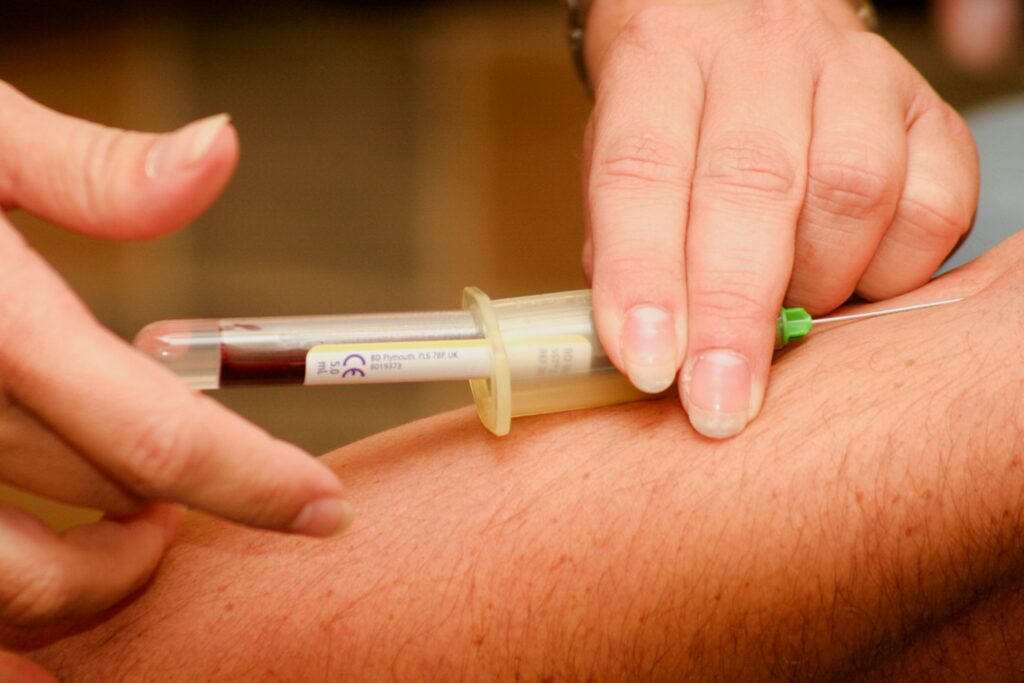
What Tests to Order for Cholesterol: Start with a Lipid Panel
A standard lipid panel includes:
- Total cholesterol
- LDL cholesterol (LDL-C) – commonly referred to as “bad” cholesterol
- HDL cholesterol (HDL-C) – the “good” cholesterol
- Triglycerides – a type of fat in the blood that can increase heart disease risk
These four markers provide a basic snapshot of cholesterol status and are a helpful starting point for risk assessment.
What the Standard Panel Misses
While helpful, a standard lipid panel doesn’t tell us the full story. It measures the amount of cholesterol in the blood but not how the cholesterol is carried or whether it poses a significant risk.
For example, two people could have the same LDL number but very different risk profiles based on particle size, inflammation, or metabolic health. That’s why we often order advanced lipid and metabolic testing to get a more accurate picture.
Additional Tests to Consider
1. LDL Particle Number (LDL-P) and Size
LDL-P measures the number of LDL particles rather than the amount of cholesterol they carry. A high number of small, dense LDL particles is associated with a greater risk of atherosclerosis, even if LDL-C levels are normal.
2. Apolipoprotein B (ApoB)
ApoB is a key protein found in atherogenic lipoproteins like LDL and VLDL. It provides a direct measure of particles that can contribute to plaque buildup in the arteries.
3. Lipoprotein(a) [Lp(a)]
Lp(a) is a genetic variant of LDL associated with increased cardiovascular risk, independent of other cholesterol markers. It’s useful to test at least once in a lifetime, especially if there’s a family history of heart disease.
4. High-Sensitivity C-Reactive Protein (hs-CRP)
An inflammatory marker that helps assess vascular inflammation—an important but often overlooked component of heart disease risk.
5. Fasting Insulin and Glucose
Since insulin resistance plays a role in both cholesterol abnormalities and cardiovascular risk, we often evaluate these markers alongside cholesterol levels.
Putting It All Together
At Springlife Medical, we tailor cholesterol testing to the individual—not just to check a box. If you’re wondering what tests to order for cholesterol or want to better understand your cardiovascular risk, we’ll help you select the right labs and interpret them in the context of your broader health.
📞 Call (631) 647-9100 or Book Online to schedule your next visit.